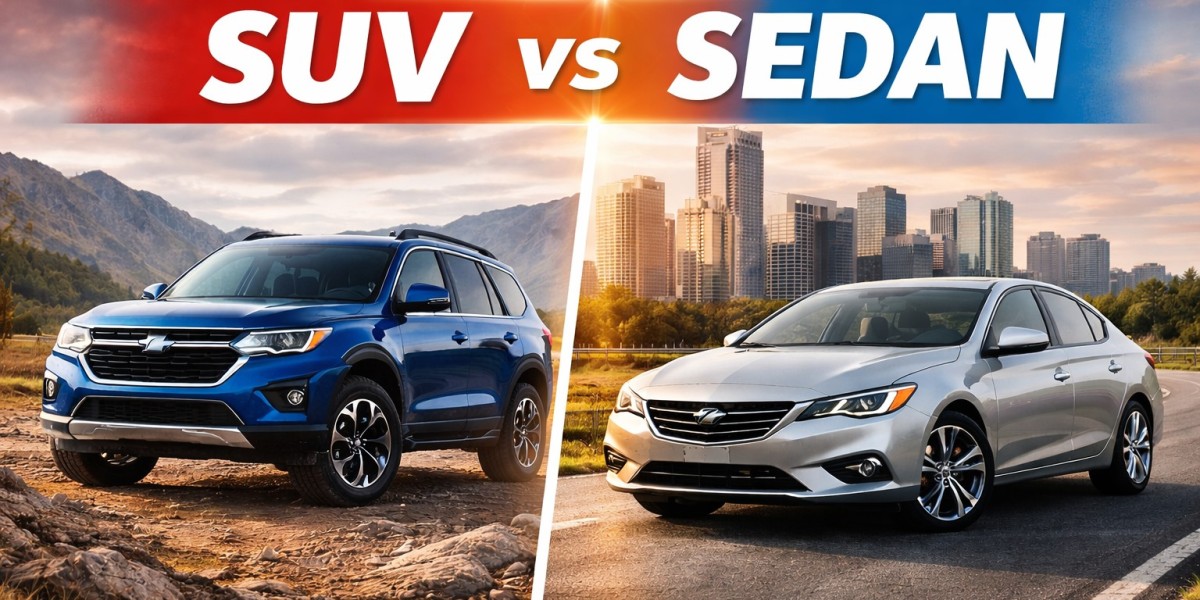
Navigating Dubai's busy streets requires careful consideration, especially when it comes to fuel efficiency. SUVs and sedans offer different advantages, but their fuel consumption varies significantly under city conditions. Understanding these differences helps drivers make informed choices when selecting a vehicle, particularly for daily commuting or tourism purposes. This article explores how fuel consumption differs between SUVs and sedans in Dubai traffic, offering practical insights for residents and visitors alike.
How Vehicle Type Affects Fuel Efficiency
Vehicle design plays a crucial role in fuel economy. SUVs are generally larger, heavier, and equipped with more powerful engines. This combination results in higher fuel consumption, especially during stop-and-go traffic. Sedans, on the other hand, are lighter, more aerodynamic, and often feature smaller engines. These characteristics make them more fuel-efficient in urban settings.
SUVs: Higher center of gravity, larger engine displacement, increased weight.
Sedans: Sleeker design, smaller engines, lower weight, improved aerodynamics.
Weight and engine power directly impact fuel consumption. In Dubai, where traffic congestion is common, these differences become even more pronounced.
Impact of Dubai Traffic on Fuel Consumption
Dubai's roads are known for heavy traffic during peak hours. Frequent acceleration, braking, and idling can significantly reduce fuel efficiency for all vehicle types.
Stop-and-go traffic: SUVs consume more fuel due to higher mass.
Smooth highway driving: Sedans maintain better efficiency, reducing fuel costs.
Temperature effects: Extreme heat increases fuel usage slightly in all vehicles, as air conditioning demands more energy.
Understanding traffic patterns and driving conditions is key for predicting fuel consumption in urban areas.
Fuel Economy Comparison: SUVs vs Sedans
When comparing SUV and sedans, fuel economy is a major factor. The typical difference in Dubai city traffic can be substantial.
Compact Sedans: Average 12–15 km per liter in urban driving.
Mid-size SUVs: Average 8–10 km per liter under similar conditions.
These figures illustrate that sedans are often more cost-effective for city commuting. However, SUVs provide better comfort, cargo space, and stability, which some drivers prioritize over fuel savings.
Why SUVs Consume More Fuel
Several factors contribute to higher SUV fuel consumption:
Engine size: Larger engines burn more fuel, especially in city traffic.
Vehicle weight: Extra mass requires more energy to accelerate.
Aerodynamics: Boxier shape increases air resistance, reducing efficiency.
Tire size: Wider tires create additional rolling resistance.
Despite these drawbacks, SUVs are preferred for their versatility and ability to handle Dubai’s occasional desert trips or long highway drives.
Advantages of Sedans in City Driving
Sedans shine in urban traffic due to their efficiency and maneuverability. Key advantages include:
Lower fuel costs: Smaller engines use less fuel, saving money over time.
Easier parking: Compact size allows quick and convenient parking.
Smooth handling: Better suited for crowded city streets.
These benefits make sedans an excellent choice for daily commuters and tourists navigating Dubai’s busy downtown areas.
Choosing Between SUV and Sedan Rentals
Selecting the right vehicle depends on driving needs and fuel considerations. If your focus is city driving and cost-efficiency, a sedan rental is ideal. For longer trips, off-road adventures, or family travel, an SUV Rental may be more practical despite higher fuel consumption.
When renting a car in Dubai, consider the following:
Trip distance and frequency
Passenger and luggage requirements
Expected traffic conditions
Fuel efficiency preferences
Professional providers like RCD Rent a Car offer a wide selection of vehicles, including Electric Car Rental Dubai, ensuring options for both efficiency-conscious and comfort-focused drivers.
Real-World Fuel Tips for Dubai Drivers
Even with careful vehicle selection, driving habits strongly influence fuel consumption. Practical tips include:
Avoid rapid acceleration and heavy braking
Maintain a steady speed in traffic
Keep tires properly inflated
Use air conditioning moderately
Plan trips to minimize unnecessary stops
Applying these techniques can narrow the efficiency gap between SUVs and sedans, making urban driving more economical.
The Role of Hybrid and Electric Options
Dubai’s car rental market increasingly offers hybrid and electric vehicles. These options combine the comfort of sedans or SUVs with significantly lower fuel costs. For city commuters, hybrids offer excellent mileage in stop-and-go traffic, while electric vehicles eliminate fuel costs entirely. Choosing these alternatives can be particularly beneficial for tourists aiming to reduce expenses without sacrificing comfort.
Conclusion
Fuel consumption in Dubai traffic differs sharply between SUVs and sedans. Sedans generally provide better efficiency and lower fuel costs, while SUVs deliver comfort, space, and versatility. By understanding these differences and adjusting driving habits, both residents and tourists can optimize their vehicle choice.
For a reliable selection of vehicles that suit every need, RCD Rent a Car provides a diverse fleet, including options like Electric Car Rental Dubai, making it easy to find the right balance between efficiency and convenience for city or highway driving.