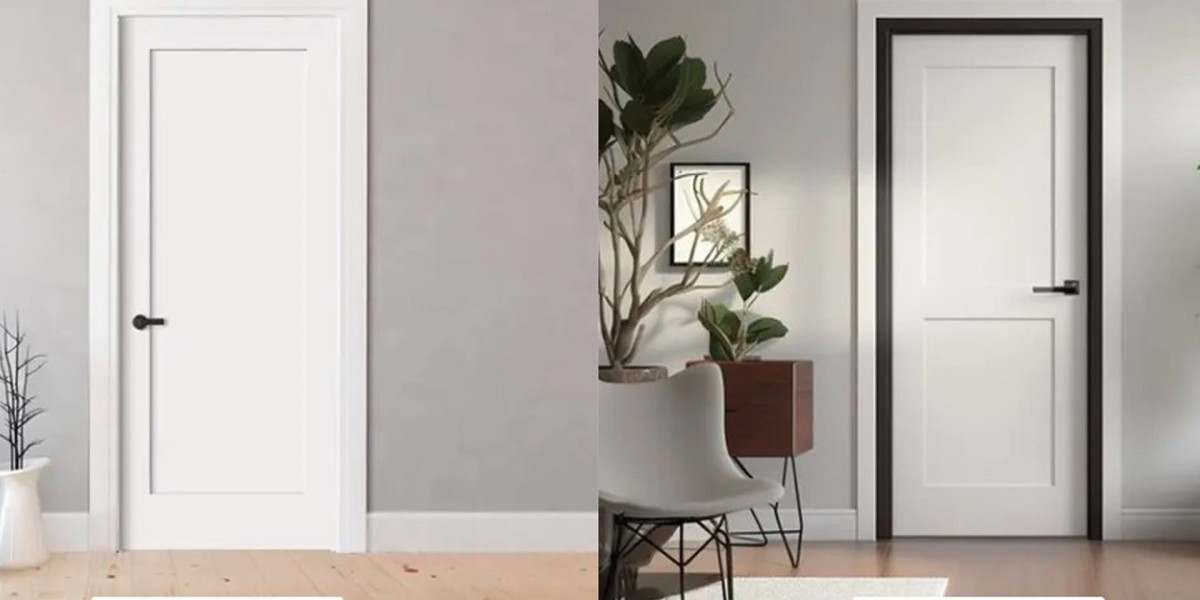
Canada’s construction industry is shaped by strict safety regulations, diverse climate conditions, and evolving design trends. Whether in urban condominiums, suburban detached homes, or commercial developments, doors are more than simple entryways—they are critical components of safety, energy efficiency, and interior aesthetics. Among the most important categories in today’s market are Interior Garage Door Fire Rated solutions and modern Interior Doors designed for residential and commercial use.
This article explores the demand, regulations, materials, and trends shaping the Canadian door market, with a focus on safety, compliance, and style.
Fire Safety Requirements in Canada
Fire protection is a major priority in Canada due to national and provincial building codes. The National Building Code of Canada (NBCC) outlines clear requirements for fire separations in residential and commercial buildings. One of the most common requirements applies to attached garages in homes.
Garages often contain vehicles, fuel, tools, and flammable materials. Because of this elevated fire risk, homes with attached garages must include a properly rated fire separation between the garage and the living space. Installing an Interior Garage Door Fire Rated system ensures that flames and smoke are slowed, providing valuable evacuation time and reducing structural damage.
Fire-rated doors are tested according to recognized standards such as CAN/ULC-S104. Certified products must carry a visible label indicating the fire-resistance duration, typically 20, 45, 60, or 90 minutes.
Understanding Fire-Rated Garage Doors
In residential applications, a 20-minute fire rating is often sufficient between an attached garage and interior living space. However, requirements may vary depending on provincial regulations and building design.
An Interior Garage Door Fire Rated product typically includes:
Solid or mineral core construction
Self-closing hinges or door closers
Smoke seals or weatherstripping
Approved fire-rated frames
Proper installation is essential. Even the highest-quality fire-rated door can fail if incorrectly fitted or modified. Canadian homeowners should always consult local code requirements before selecting a door system.
The Broader Market for Interior Doors in Canada
While fire-rated garage doors focus on safety, the broader category of Interior Doors addresses design, privacy, and functionality within homes and commercial spaces.
Canada’s housing market includes single-family homes, condominiums, townhouses, and multi-unit residential buildings. Each property type has specific door needs:
Bedrooms and bathrooms require privacy and sound insulation.
Closets benefit from lightweight and cost-effective options.
Offices demand durability and acoustic performance.
Multi-unit buildings require fire-rated corridor doors.
Because of Canada’s climate, energy efficiency is also an important factor. Well-fitted interior doors help maintain indoor temperatures, particularly during harsh winters.
Popular Interior Door Styles in Canada
Canadian design trends emphasize clean lines, neutral colors, and functional elegance. Popular interior door styles include:
1. Shaker Doors
Simple panel designs that complement modern and transitional interiors.
2. Flat Panel (Slab) Doors
Minimalist designs suitable for contemporary homes and condos.
3. Frosted Glass Doors
Commonly used for offices, pantries, and bathrooms to allow light while maintaining privacy.
4. Solid Core Doors
Preferred for soundproofing and enhanced durability.
Even when selecting standard Interior Doors, homeowners often consider long-term durability and aesthetic consistency throughout the property.
Materials Used in Canadian Interior Doors
Manufacturers serving the Canadian market offer various material options:
Hollow Core Doors
Lightweight and affordable, commonly used in bedrooms and closets.
Solid Core Doors
Provide better sound insulation and durability.
Steel Doors
Typically used in commercial and fire-rated applications.
Wood Veneer Doors
Offer natural beauty while maintaining structural strength.
In colder provinces such as Manitoba and Saskatchewan, material stability is essential to prevent warping due to temperature fluctuations.
Fire-Rated Doors in Multi-Unit Residential Buildings
Urban development in cities like Toronto, Montreal, and Vancouver has increased the construction of condominiums and apartment complexes. In these buildings, fire-rated interior doors are mandatory in corridors, stairwells, and between units.
An Interior Garage Door Fire Rated installation is just one example of how fire separation is applied in residential construction. In multi-unit properties, similar fire-rated systems are required to protect occupants and limit fire spread.
Property managers must conduct regular inspections to ensure doors close and latch properly, seals remain intact, and certification labels are visible.
Energy Efficiency and Climate Considerations
Canada’s extreme winters influence construction choices, including door selection. Although interior doors are not directly exposed to outdoor elements, proper sealing and insulation can improve overall energy efficiency.
Fire-rated garage entry doors, in particular, must resist temperature differences between heated living spaces and unheated garages. A high-quality Interior Garage Door Fire Rated model can contribute to improved thermal separation while maintaining code compliance.
Additionally, well-installed Interior Doors help control airflow within the home, reducing drafts and improving comfort.
Renovation and Retrofit Trends
Home renovation is a strong segment of Canada’s housing market. Many homeowners upgrade older properties to meet current safety codes and design preferences.
Common renovation projects include:
Replacing outdated hollow-core doors with solid-core models
Installing fire-rated doors in basement suites
Upgrading garage entry doors to meet modern code standards
Modernizing interiors with contemporary door styles
Fire-rated upgrades are especially important when converting basements into rental units, as municipal regulations often require proper fire separation.
Installation and Compliance
Professional installation is highly recommended for fire-rated doors to ensure full compliance with Canadian building codes. Key considerations include:
Proper alignment within the frame
Approved hardware and hinges
Self-closing mechanisms
Correct clearance gaps
Intact certification labeling
While standard Interior Doors can often be installed by experienced DIY homeowners, fire-rated models demand strict adherence to manufacturer specifications.
Cost Considerations in the Canadian Market
Door pricing in Canada varies based on material, style, and fire rating. Hollow-core interior doors are generally the most affordable, while solid-core and fire-rated doors cost more due to specialized construction and testing.
Although budget is always a factor, investing in quality products provides long-term value. A certified fire-rated garage entry door protects lives and property, making it a worthwhile investment for homeowners.
Bulk purchasing for new developments or renovation projects can also reduce overall costs.
Choosing the Right Supplier
When selecting doors in Canada, it is important to choose reputable suppliers who:
Offer certified fire-rated products
Understand provincial building codes
Provide installation guidance
Offer warranties and customer support
Maintain consistent product quality
Reliable suppliers ensure both safety and aesthetic satisfaction.
The Future of Interior Doors in Canada
As building codes evolve and sustainability becomes more important, manufacturers are focusing on eco-friendly materials and improved fire resistance technology. Modern homeowners seek products that balance safety, energy efficiency, and design appeal.
The demand for compliant garage entry solutions and stylish Interior Doors will continue to grow as Canada’s housing market expands and renovates.
Conclusion
Doors play a crucial role in Canadian homes and commercial buildings, combining safety, functionality, and style. Fire-rated garage entry systems provide essential protection between living spaces and high-risk areas, while standard interior doors shape the overall look and feel of a property.
By understanding fire ratings, materials, design options, and installation requirements, Canadian homeowners and builders can make informed decisions. Investing in certified and properly installed door systems ensures compliance with national building codes and enhances long-term property value across Canada’s diverse housing market.