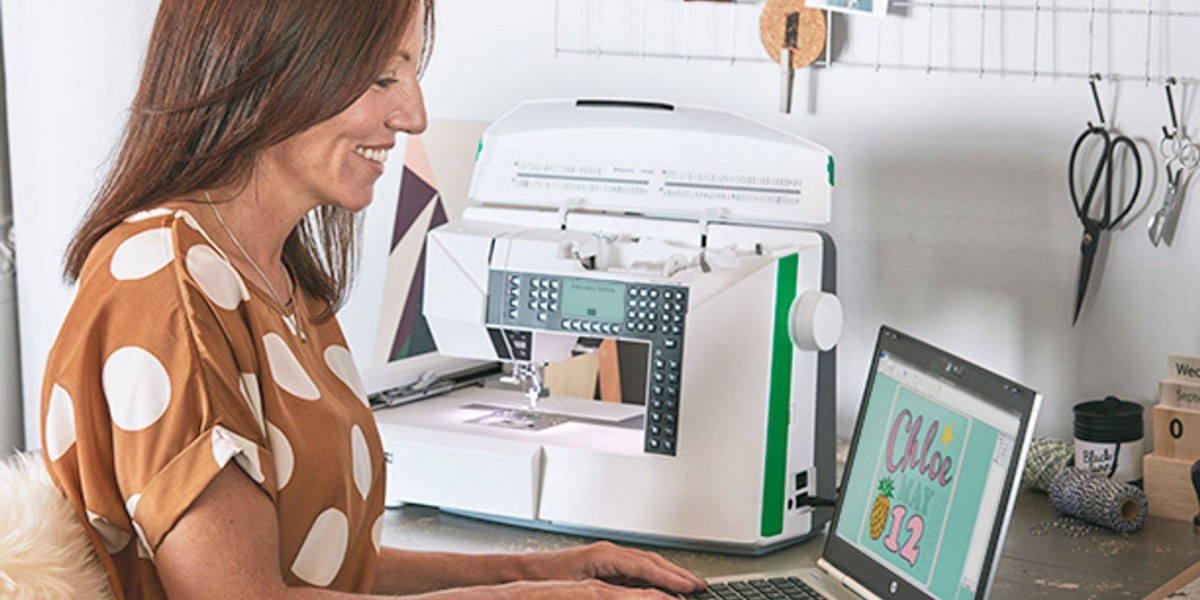
Hey there, embroidery artists and lace lovers! Free-standing lace has that magical quality—delicate, airy, almost floating off the fabric like a piece of jewelry made from thread. When done right, FSL pieces become instant heirlooms: earrings, ornaments, bookmarks, wedding favors, or stunning appliqué accents on wedding gowns. The catch? FSL demands perfection because there’s no base fabric hiding mistakes. Every stitch shows, every gap matters, and tension has to be flawless. That’s why modern digitizing techniques have completely changed how we approach FSL work. Whether you’re reviving an old scanned pattern or creating something fresh from a photo, today’s tools and methods make it easier than ever to digitize FSL file for embroidery with clean, elegant results that hold their shape beautifully.
Understanding What Makes FSL So Demanding
Free-standing lace relies entirely on thread to create structure. No stabilizer remains after rinsing, so the design must be self-supporting. That means precise underlay, perfectly balanced density, strategic satin columns, and strategic open areas that allow the piece to stay rigid yet flexible. Too dense and it curls or stiffens like cardboard; too open and it flops or tears during washing.
Modern digitizing shifts the focus from “covering” to “scaffolding.” Every fill becomes a supporting beam, every satin run a reinforcing rib. The latest techniques use layered underlays, directional stitching, and strategic motif patterns to build strength without bulk. This engineering mindset is what separates fragile lace from pieces that survive years of handling.
Start with the Cleanest Possible Artwork
Your source image sets the ceiling for quality. Whether you’re working from a vintage scanned pattern or a new vector illustration, begin with ruthless cleanup.
Increase contrast until edges are razor-sharp. Remove any gray noise or faint lines that the software might misinterpret as stitch paths. Reduce colors to black and white or very high contrast—FSL rarely needs more than two thread colors anyway. For photo-based designs (think realistic flowers or feathers), trace outlines manually or use high-fidelity auto-trace, then simplify interior shapes into openwork patterns.
Resize to actual stitched size early—most FSL pieces live between 2 and 6 inches. Scaling later warps stitch angles and density ratios, ruining stability.
Modern Software Choices That Excel at FSL
In 2026, several programs stand out for FSL work because they offer precise control over underlay, motif fills, and open satin spacing.
Hatch Embroidery continues to lead with its layered underlay system and motif pattern editor—perfect for creating custom lace textures. Wilcom EmbroideryStudio gives unmatched node-level control and the best 3D simulation for predicting how lace will drape after rinsing. Embrilliance StitchArtist remains the sweet spot for most home-based FSL creators—affordable, intuitive, and surprisingly strong at satin spacing and underlay stacking.
All three let you preview stitch density and pull in realistic 3D views, which is critical for lace. You can literally watch how the piece will curl or flatten before committing thread to stabilizer.
Building Strong Foundations with Layered Underlays
The biggest advancement in recent years is layered underlay sequencing. Pros now build FSL stability in stages:
- First layer: wide zigzag or lattice underlay to create a stable base grid
- Second layer: directional tatami or motif fill to add cross-bracing
- Third layer (optional): light satin or running stitches to lock edges
This multi-layer approach distributes tension evenly so the piece doesn’t curl toward the center after dissolving. Many designers also use “floating” underlay—stitches that sit slightly above the base grid to create tiny air pockets that help the lace hold shape without stiffness.
Mastering Open Satin and Motif Techniques
Modern FSL relies heavily on open satin columns and custom motif fills instead of solid tatami. Narrow satin runs (0.8–1.2 mm wide) spaced 0.4–0.6 mm apart create the classic lace look while maintaining strength.
The latest motif tools let you design your own repeating patterns—tiny flowers, leaves, or geometric webs—that act as both decoration and reinforcement. Import a simple shape, turn it into a motif, then fill open areas with that pattern at 45-degree angles to distribute pull evenly. This technique gives contemporary lace a fresh, artistic feel while keeping structural integrity.
Color Play and Thread Choices
Even though most classic FSL uses one or two colors, modern designers experiment with subtle variegated threads or metallic accents. The key is choosing threads with similar twist and sheen so tension stays consistent across color changes.
When using variegated thread, digitize shorter satin runs so the color shifts happen frequently and naturally. Pros also add tiny running-stitch outlines in a matching solid thread to frame variegated areas, giving definition without overpowering the shimmer.
Pathing and Sequencing for Clean Backsides
FSL shows both sides, so backside appearance matters as much as the front. Modern pathing tools automatically hide travel runs under satin columns or inside motif fills. Group nearby objects of the same color to eliminate unnecessary jumps.
Sequence colors so you stitch inner supporting structures first, then finish with outer satin borders. This order helps the piece stay flat during stitching and prevents outer edges from curling inward.
Final Testing and Dissolving
After exporting, always stitch a test piece on water-soluble stabilizer only—no fabric underneath. Rinse thoroughly and lay flat to dry. Check for:
- Curling toward center → add more cross-bracing underlay
- Floppiness → increase density in key support areas
- Fragile spots → reinforce with extra motif fills
Adjust the file accordingly and re-test. Once the test piece holds its shape perfectly after dissolving, you know the design is ready for production.
Conclusion
Digitizing FSL has evolved from a nerve-wracking trial-and-error process into a precise, repeatable craft thanks to modern software tools and smarter underlay techniques. Layered foundations, strategic open satin, custom motifs, careful pathing, and realistic previews now let even home-based designers create lace that looks boutique-quality. Whether you’re making delicate earrings, elegant wedding favors, or artistic appliqué accents, the principles stay the same: build strong scaffolding first, let the beauty emerge from intentional open space, and always test thoroughly before committing precious thread.
Open your software, grab that image or sketch, and start layering those underlays. Your next FSL piece is waiting to float off the hoop—light, elegant, and perfectly balanced—one thoughtful stitch at a time.