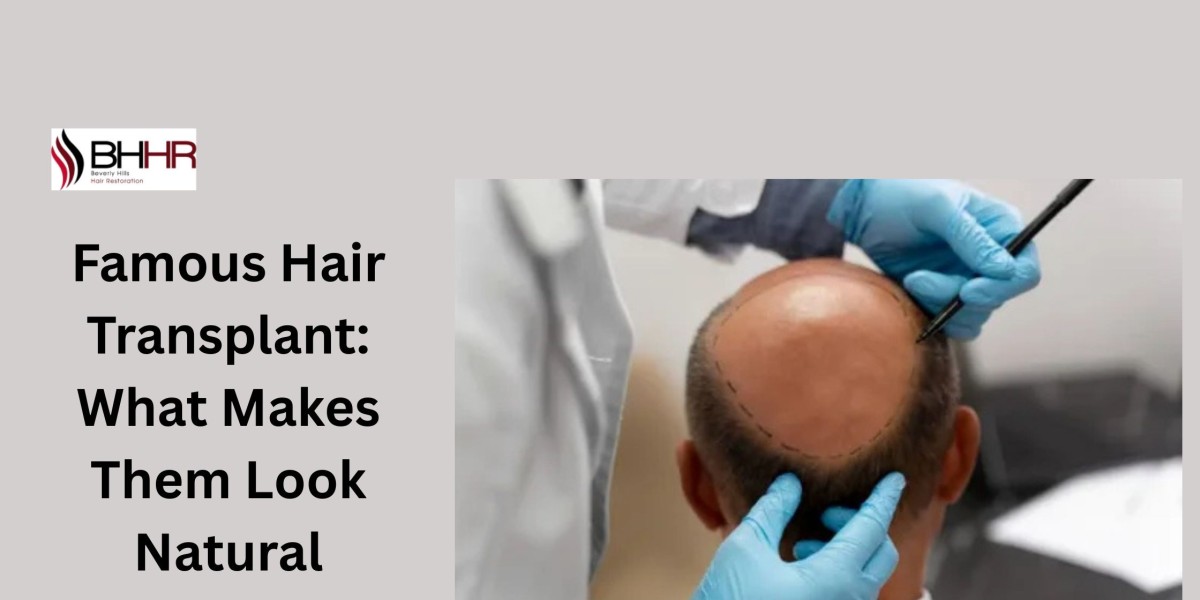
Hair restoration has become increasingly refined over the years, and many people now look to high-profile results for inspiration. A famous hair transplants often appears seamless, realistic, and nearly impossible to detect. While visibility brings attention, the real reason these outcomes stand out is not fame—it is technique, planning, and medical expertise. Understanding what makes these results look natural helps everyday patients set realistic expectations and make informed decisions about hair restoration.
Modern procedures focus on restoring balance, density, and natural growth patterns rather than simply adding hair. This shift has changed how hair transplants are perceived and why the best results look indistinguishable from natural hair.
Why Natural Results Matter in Hair Restoration
A natural appearance is the primary goal of any successful hair transplant. Hair that looks too dense, uneven, or poorly placed can draw unwanted attention and undermine confidence. Natural results blend seamlessly with existing hair and respect how hair grows over time.
One reason high-quality outcomes stand out is the focus on long-term aesthetics. Hair loss is progressive, so a natural transplant considers not only current hair loss but also future changes. This prevents an unnatural contrast between transplanted areas and native hair years later.
A famous hair transplant often reflects careful decision-making rather than aggressive restoration. Subtle improvements tend to look more authentic than dramatic changes, especially when facial structure, age, and hair characteristics are respected throughout the planning process.
Hairline Design: The Foundation of a Natural Look
Hairline design plays a crucial role in determining whether a transplant looks natural. A well-designed hairline is never perfectly straight or symmetrical. Instead, it includes subtle irregularities that mimic natural hair growth.
Surgeons carefully consider facial proportions, age, and ethnic background when creating a hairline. A younger patient may require a lower hairline, while a more mature patient benefits from a slightly recessed, softer design. Ignoring these factors often leads to results that appear artificial.
The angle and direction of the follicles are equally important. Hair grows at specific angles depending on its location, and replicating this pattern ensures the transplant blends naturally with existing hair. This attention to detail is a defining feature of natural-looking outcomes.
Density Planning and Graft Placement
Natural hair density is not uniform across the scalp. The front hairline typically has finer, less dense hair, while density increases further back. Replicating this pattern is essential for achieving realistic results.
High-quality outcomes rely on strategic graft placement rather than maximum graft numbers. Overcrowded follicles can compromise the blood supply and result in poor growth. Proper spacing allows each graft to thrive and grow naturally.
In many well-known cases, density is built gradually, prioritizing realism over volume. This method ensures that the transplanted hair behaves like natural hair when styled, washed, or viewed under different lighting conditions.
Role of Surgeon Skill and Experience
The skill of the surgeon is one of the most important factors behind natural results. Every step—from extraction to placement—requires precision and experience. Even the most advanced technology cannot compensate for poor technique.
Experienced surgeons understand how different hair types behave, including thickness, curl pattern, and color. These factors influence how the final result appears and must be accounted for during planning.
A famous hair transplant often benefits from a surgeon who prioritizes artistry as much as medical accuracy. Hair restoration is not a one-size-fits-all procedure, and individualized planning separates average outcomes from exceptional ones.
Modern Techniques That Improve Natural Outcomes
Advancements in hair restoration technology have significantly improved results. Techniques and skills such as Follicular Unit Extraction (FUE) allow for precise harvesting of individual follicles, reducing visible scarring and improving placement accuracy.
Microscopic graft preparation ensures follicles remain intact and healthy throughout the process. This leads to higher survival rates and more consistent growth patterns.
Modern tools also allow surgeons to control depth, angle, and direction during implantation. These refinements play a major role in why today’s results look far more natural than those performed decades ago.
BHHR’s Approach in Palm Desert
At BHHR in Palm Desert, hair restoration is approached with a strong emphasis on natural design and patient-specific planning. Rather than focusing solely on coverage, the process prioritizes harmony with facial features and long-term appearance.
Each patient undergoes an explained evaluation to determine appropriate hairline positioning, density goals, and graft distribution. This method ensures results that evolve naturally as hair continues to age.
By combining advanced techniques with careful artistic judgment, BHHR aims to deliver outcomes that look authentic and balanced rather than overly dense or artificial.
Realistic Expectations for Patients
While many people admire famous hair transplants, it is important to understand that results vary based on individual factors. Hair quality, donor area strength, age, and pattern of hair loss all influence outcomes.
Natural results do not appear overnight. Transplanted hair typically sheds before regrowing, with visible improvements developing gradually over several months. Full results often take up to a year.
Patients who understand the process and maintain realistic expectations are more satisfied with their results. The goal is improvement, not perfection, and subtle enhancements often have the greatest impact.
Conclusion
Natural-looking hair restoration is the result of thoughtful planning, skilled execution, and modern techniques. A famous hair transplant looks authentic because it respects natural hair patterns, density, and long-term changes.
Rather than focusing on visibility or dramatic transformation, the best results prioritize balance and realism. When done correctly, hair restoration should enhance appearance without drawing attention to the procedure itself.