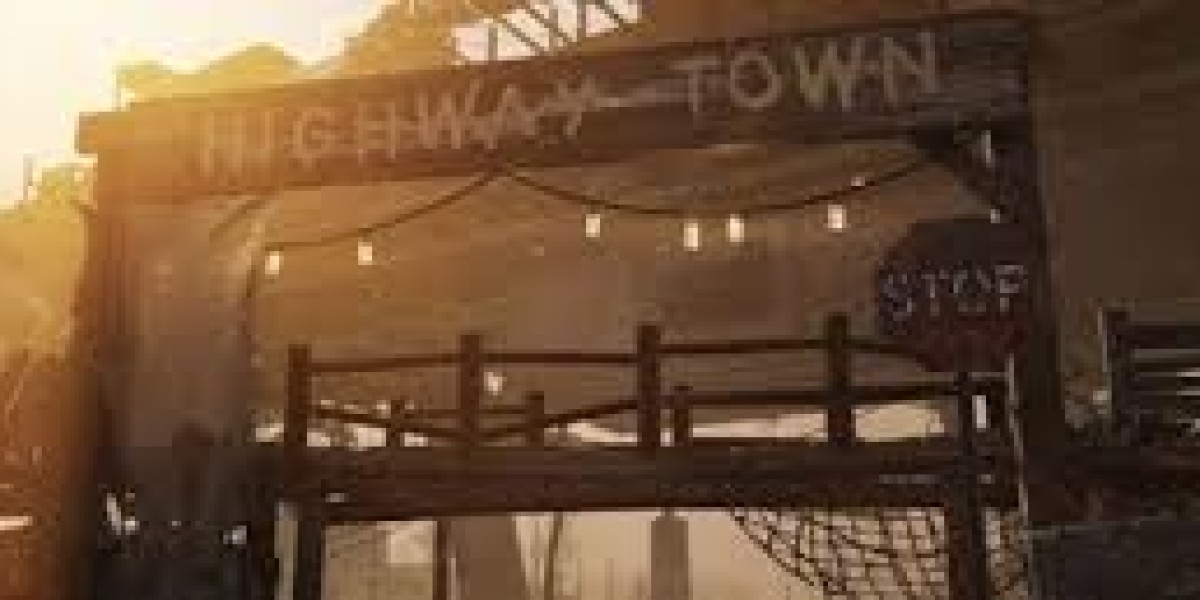
Fallout 76 Items invites players into a post-nuclear world that feels both fragile and full of potential. Set in the ruins of Appalachia, the game challenges the traditional idea of survival by asking a deeper question: what happens after people manage to stay alive? Instead of focusing solely on destruction, Fallout 76 centers its experience on rebuilding, cooperation, and the slow return of human presence to a land shaped by disaster.
The environment is one of the most striking elements of the game. Appalachia is vast and visually diverse, offering mountains, forests, abandoned towns, and contaminated industrial zones. Each area carries its own identity and dangers, encouraging players to explore rather than follow a single path. Environmental storytelling plays a powerful role, as players uncover the past through scattered journals, recordings, and ruined locations. These silent narratives create a strong emotional connection to the world, making exploration feel meaningful rather than empty.
Survival mechanics add tension and purpose to every journey. Players must manage resources carefully, including food, water, ammunition, and crafting materials. Equipment degradation further reinforces the need for planning and preparation. This system ensures that progress feels earned, as survival depends on smart decisions rather than simple combat strength. Crafting is deeply integrated into gameplay, allowing players to turn scavenged items into weapons, armor, and essential tools for life in the wasteland.
Base building is another core feature that strengthens player immersion. By constructing camps, players create personal spaces that serve as shelters, workshops, or trading points. These camps are not only practical but also symbolic. Each one represents an effort to reclaim stability in a broken world. Seeing player-built structures scattered across the map gives the impression that civilization, though fragile, is slowly returning.
Combat encounters range from small skirmishes to large-scale battles against powerful enemies. While solo combat remains viable, many challenges are designed to encourage cooperation. Group events bring players together to face overwhelming threats, creating moments of shared tension and success. These interactions help shape a sense of community, reinforcing the idea that survival is easier and more rewarding when people work together.
Narratively, Fallout 76 explores themes of loss, responsibility, and hope. Instead of presenting a fully restored society, the game places the burden of rebuilding on the player. Through quests and discovered lore, players learn about the mistakes that led to the apocalypse and the consequences of unchecked ambition. This storytelling approach encourages reflection, reminding players that the future depends on learning from the past.
Over time, the game has evolved through updates that expanded its story and systems. These changes reflect the same theme found within the game world itself: growth through persistence. Fallout 76 is not just about surviving radiation and monsters, but about shaping a future from the remnants of the past.
In the end, Fallout 76 stands as a testament to resilience. It transforms the wasteland into a shared space where creativity, cooperation, and determination can thrive. By blending survival mechanics, exploration, and community-driven experiences, the game offers a vision of hope rising from ruin, proving that even after the end of the world, a new beginning is possible.