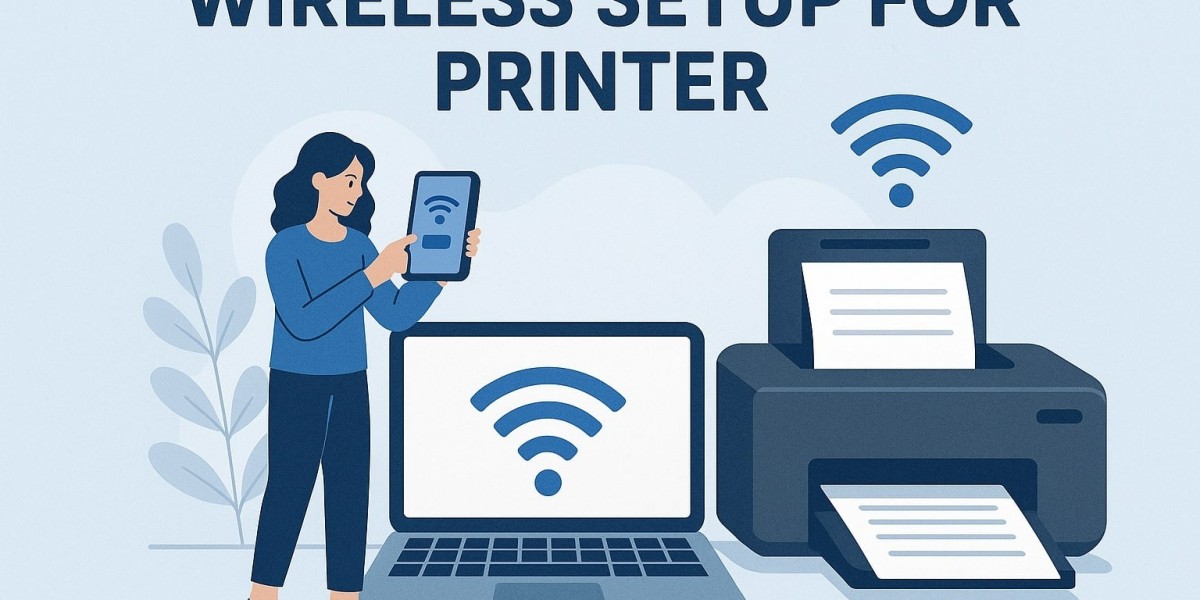
If you’re looking for a hassle-free Wireless Setup for Printer, this guide by 123 Com Setup is just what you need. Wireless printing allows you to print from anywhere in your home or office without dealing with tangled cords. Whether you’ve just purchased a new printer or are switching from a wired setup, setting up a wireless printer on your Windows computer is quick and simple. In this step-by-step guide, we’ll walk you through the entire process — from connecting your printer to Wi-Fi to ensuring seamless communication with your Windows PC.
Why Choose a Wireless Printer Setup?
Wireless printers are becoming increasingly popular due to their flexibility and ease of use. Unlike traditional wired printers, a wireless printer connects through Wi-Fi, allowing multiple users to print from different devices without direct cable connections. This means you can print from laptops, tablets, or even smartphones without physically connecting your device.
Here are some key benefits:
Convenience: Print from anywhere in your home or office.
Less Clutter: No messy cables or USB connections.
Multi-Device Support: Connect multiple PCs or mobile devices.
Smart Printing Options: Many printers integrate with apps like Google Cloud Print or HP Smart App.
Step 1: Check Printer Compatibility
Before you begin, ensure that your printer supports wireless connectivity. Most modern printers from brands like HP, Canon, Epson, and Brother come with built-in Wi-Fi capabilities. You can verify this in your printer’s manual or by looking for the Wi-Fi icon on the control panel.
If your printer supports Wi-Fi Direct or WPS (Wi-Fi Protected Setup), the setup process will be even faster.
Step 2: Connect Your Printer to Wi-Fi
This is the most crucial step in setting up your wireless printer. Follow these general steps:
Turn on the Printer: Make sure it’s powered on and ready for setup.
Open the Printer’s Control Panel: Navigate to the wireless or network settings option.
Select Wi-Fi Setup Wizard: This option allows your printer to search for nearby networks.
Choose Your Wi-Fi Network: Select your home or office Wi-Fi from the list.
Enter the Wi-Fi Password: Type your Wi-Fi password carefully.
Confirm the Connection: Once connected, a Wi-Fi indicator light should appear on the printer display.
Pro Tip: For routers supporting WPS, simply press the WPS button on your router and the same on your printer to connect automatically.
Step 3: Add Printer to Windows PC
After your printer is connected to Wi-Fi, you need to link it with your Windows computer.
Here’s how to do it:
Click on the Start Menu and open Settings.
Go to Devices > Printers & Scanners.
Select Add a printer or scanner.
Windows will automatically search for available printers.
When your printer appears, click Add Device.
If Windows does not detect your printer automatically, ensure both devices are connected to the same Wi-Fi network. You can also manually install the printer using the manufacturer’s installation software or the 123 Com Setup online installation portal.
Step 4: Install Printer Drivers and Software
To ensure smooth functionality, installing the latest printer drivers is essential. Printer drivers act as a bridge between your Windows computer and the printer hardware.
You can install drivers in two ways:
Automatically via Windows: Once your printer is detected, Windows may automatically install the necessary drivers.
Manually via Manufacturer’s Website: Visit your printer brand’s website (for example, www.123comsetup.com) and download the appropriate drivers for your model.
Tip: Always install the full-feature driver package for advanced options such as scanning, maintenance tools, and wireless status monitoring.
Step 5: Set Printer as Default
After installation, it’s best to set your wireless printer as the default option for easy access.
Here’s how:
Go to Settings > Devices > Printers & Scanners.
Click on your printer’s name.
Select Manage and click Set as Default.
This ensures that every time you print a document, your computer automatically sends it to the right printer.
Step 6: Test Your Wireless Printer
Now that your printer is set up, it’s time to run a quick test.
Open a document or image on your Windows PC.
Press Ctrl + P to open the print dialog box.
Choose your wireless printer from the list.
Click Print.
If your printer starts printing, congratulations — your wireless setup was successful!
If not, try restarting your Wi-Fi router and printer. Also, double-check that both devices are on the same network.
Common Issues and Troubleshooting
Even with an easy setup process, you may face a few connectivity challenges. Here are some common issues and solutions:
Printer Not Detected: Ensure your printer and PC are connected to the same Wi-Fi.
Wi-Fi Signal Weak: Move your printer closer to the router.
Driver Error: Reinstall the driver or check for updates.
Printer Offline Message: Restart both printer and computer, then reconnect.
If issues persist, visit the 123 Com Setup support page for guided troubleshooting videos and step-by-step assistance.
Tips for Maintaining Wireless Printer Performance
Keep your printer firmware updated for optimal performance.
Regularly clean print heads and run maintenance tools from your printer’s software.
Reboot your router and printer occasionally to refresh the connection.
Use quality ink and paper to ensure consistent results.
Following these best practices can help you maintain stable and efficient wireless printing for years.
Conclusion
Setting up a wireless printer on Windows doesn’t have to be complicated. With the right tools and a clear step-by-step process, you can get your printer connected and ready to use within minutes. By following this guide from 123 Com Setup, you can print documents, images, and more seamlessly without dealing with tangled wires or USB cables.
If you’re using multiple devices across platforms, don’t worry — similar steps apply for macOS as well. For detailed instructions on Apple systems, check out our next guide on Wireless Printer Setup On Mac.