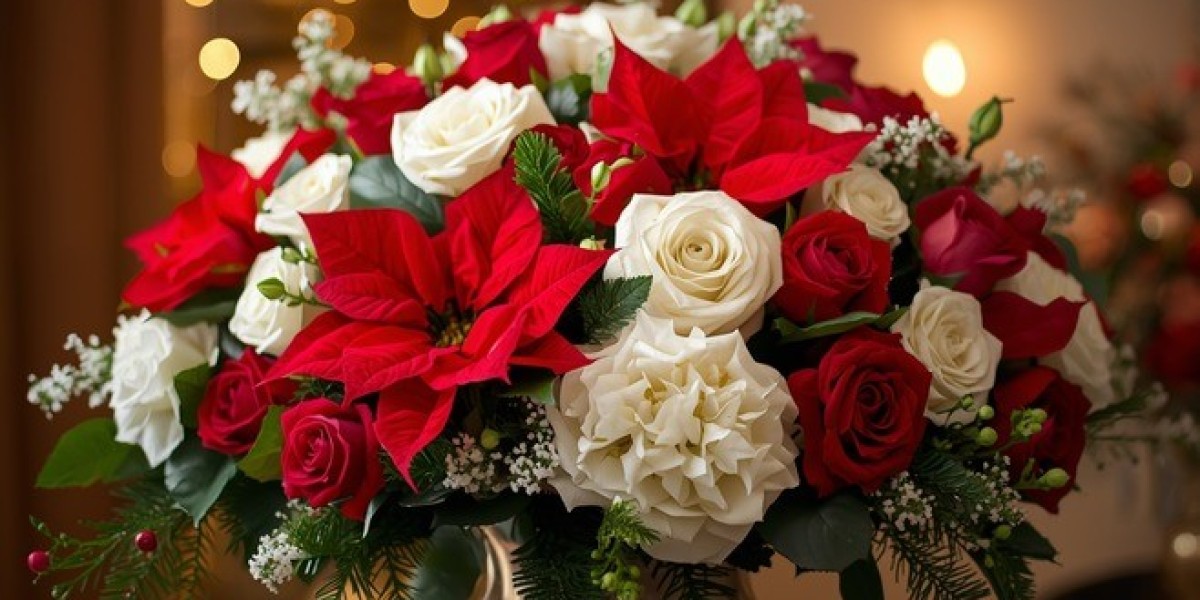
Valentine’s Day has always been about expressing emotions that are sometimes hard to put into words. Flowers have quietly carried those emotions for centuries, symbolizing love, admiration, devotion, and even mystery. Choosing the right blooms is not just a tradition, but a meaningful gesture rooted in history, psychology, and personal taste. When people explore popular valentine's day flowers, they are often looking for more than a gift. They are searching for a way to communicate feelings authentically and memorably.
This guide takes a deep, expert-level look into the most admired floral choices for Valentine’s Day, why they matter, how to select the right arrangement, and how modern preferences are reshaping this timeless tradition. Whether you are celebrating a new romance or honoring a long-standing relationship, understanding flowers helps you make a thoughtful and lasting impression.
Why Flowers Remain the Language of Love
Flowers have been used as emotional symbols since ancient civilizations. In Victorian times, floral symbolism was practically a language of its own, allowing people to express feelings they could not openly share. Even today, blooms carry emotional weight that transcends cultures and generations.
From a psychological perspective, flowers trigger positive emotional responses. Studies consistently show that receiving flowers boosts mood, increases feelings of connection, and leaves a long-lasting positive memory. On Valentine’s Day especially, flowers are not seen as a generic gift, but as an intentional act of affection.
What makes flowers particularly powerful is their ability to blend beauty, scent, and symbolism into a single experience. A well-chosen bouquet can say “I love you,” “I admire you,” or “I am thinking of you” without saying a single word.
The Timeless Appeal of Roses
Roses are often associated with romance for good reason. Their layered petals, elegant stems, and unmistakable fragrance make them instantly recognizable as symbols of love.
Red roses traditionally represent deep passion and romantic commitment. Pink roses convey admiration and gratitude, making them suitable for relationships that are still blossoming. White roses symbolize purity and sincerity, often chosen for meaningful, heartfelt connections. Even less traditional shades like lavender or peach have found their place in modern Valentine’s Day gifting, representing enchantment and appreciation.
The enduring popularity of roses lies in their versatility. They suit both classic and contemporary tastes, and their symbolism is widely understood, which reduces the risk of miscommunication when emotions matter most.
Tulips and the Beauty of Simplicity
Tulips have steadily grown in popularity for Valentine’s Day, particularly among those who appreciate understated elegance. Unlike roses, tulips offer a clean, modern aesthetic while still carrying deep meaning.
Red tulips symbolize true love, while pink tulips represent affection and happiness. Purple tulips are often associated with admiration and royalty, making them a refined choice for expressing respect alongside romance.
Tulips also reflect emotional balance. They are romantic without being overwhelming, making them ideal for relationships built on mutual understanding and calm affection. Their seasonal freshness during late winter and early spring adds to their appeal around Valentine’s Day.
Lilies as a Statement of Devotion
Lilies are known for their striking appearance and rich fragrance. They are often chosen by those who want their floral gift to feel bold, graceful, and emotionally significant.
White lilies represent devotion and purity, while pink lilies express prosperity and admiration. Stargazer lilies, with their dramatic petals and intense scent, are associated with ambition and passion.
Lilies are particularly meaningful for long-term relationships, where love has matured into trust and commitment. Their presence in a bouquet adds depth and sophistication, making them a favorite among those who want to convey more than surface-level affection.
Orchids and Modern Romance
Orchids have become increasingly popular as Valentine’s Day gifts due to their exotic beauty and long-lasting nature. Unlike traditional cut flowers, orchids often come as potted plants, symbolizing enduring love and stability.
Orchids represent strength, luxury, and refined beauty. They are often chosen by individuals who value uniqueness and modern aesthetics. Their minimalistic yet striking appearance makes them suitable for partners who appreciate thoughtful, design-forward gifts.
Giving orchids also reflects intentionality. They require care and attention, subtly symbolizing a relationship that is nurtured over time rather than fleeting or impulsive.
Carnations and the Power of Subtle Meaning
Carnations are sometimes underestimated, but they carry deep symbolism and historical significance. Red carnations express admiration and heartfelt love, while pink carnations are often associated with gratitude and maternal affection.
Their ruffled petals and long vase life make them a practical yet meaningful option. Carnations are ideal for those who want to express sincere emotions without leaning too heavily into traditional romance.
Modern floral designers often incorporate carnations into mixed arrangements, elevating their appearance and giving them a fresh, contemporary feel that resonates with today’s Valentine’s Day trends.
Mixed Arrangements and Personalized Expression
One of the most significant shifts in Valentine’s Day floral gifting is the rise of mixed arrangements. Rather than relying on a single flower type, many people now choose thoughtfully curated bouquets that combine different blooms and textures.
Mixed arrangements allow for greater personalization. Combining roses with tulips, lilies, or accent flowers like baby’s breath and eucalyptus creates visual interest and layered symbolism. These bouquets feel intentional and expressive, often reflecting the recipient’s personality more accurately than a single-flower arrangement.
Personalization is at the heart of modern romance. Flowers are no longer just about tradition, but about telling a story that feels authentic to the relationship.
Color Psychology and Emotional Impact
Color plays a critical role in how flowers are perceived emotionally. Red is associated with passion and intensity, making it a powerful choice for romantic gestures. Pink conveys warmth, kindness, and affection. White represents sincerity and emotional clarity. Purple is linked to admiration and elegance, while yellow symbolizes friendship and joy.
Understanding color psychology helps ensure your floral gift aligns with your message. Choosing the right color palette can elevate the emotional impact of the bouquet and make it feel more intentional.
On Valentine’s Day, where emotions are heightened, color choice can subtly reinforce your feelings without overwhelming the recipient.
How to Choose the Right Flowers for Your Relationship
Selecting flowers should always consider the nature of the relationship. For new relationships, lighter colors and softer blooms like tulips or pink roses often feel appropriate. Long-term partners may appreciate richer colors and more complex arrangements that reflect depth and commitment.
Personal preferences matter just as much as symbolism. Paying attention to your partner’s favorite colors, scents, or flower types shows attentiveness and care. The most memorable floral gifts are often those that feel tailored rather than generic.
Timing also matters. Freshness, presentation, and delivery can significantly influence how the gesture is received. A well-timed bouquet can turn an ordinary day into a meaningful memory.
Sustainability and Ethical Flower Choices
As awareness grows, many people are becoming more conscious of where their flowers come from. Sustainable and ethically sourced blooms are increasingly valued, especially among environmentally mindful couples.
Choosing flowers grown with minimal environmental impact reflects shared values and adds an extra layer of thoughtfulness to the gift. Sustainability does not compromise beauty. In fact, it often enhances the story behind the bouquet.
This shift toward responsible gifting reflects a broader trend in Valentine’s Day celebrations, where meaning and mindfulness are just as important as romance.
The Emotional Longevity of Floral Gifts
Flowers may be temporary, but the emotions they create often last far longer. A thoughtfully chosen bouquet can become part of a cherished memory, associated with a specific moment in a relationship.
Photographs, dried petals, or even the scent remembered long after the flowers are gone can keep that emotional connection alive. This is why flowers continue to be one of the most powerful Valentine’s Day gifts, despite changing trends.
They are not just decorative objects, but emotional experiences wrapped in natural beauty.
Frequently Asked Questions
Are flowers still considered a meaningful Valentine’s Day gift
Yes, flowers remain one of the most emotionally impactful gifts because they communicate feelings in a universal and timeless way.
How can I make a floral gift feel more personal
Choose blooms and colors that reflect your partner’s personality, preferences, or shared memories to add a personalized touch.
Are non traditional flowers appropriate for Valentine’s Day
Absolutely. Modern Valentine’s Day gifting embraces individuality, making unique or unconventional flowers a thoughtful choice.
Do flower colors really matter
Colors influence emotional perception, so selecting the right palette helps align your gift with your intended message.
Is a mixed bouquet better than a single flower type
Mixed arrangements often feel more personalized and visually dynamic, making them a popular modern choice.